
Lower CRC Risk with Healthy Eating This Thanksgiving
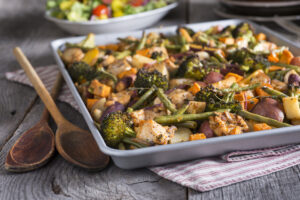
Healthy food substitutions on your Thanksgiving table can lower your risk for reflux and GERD as well as help prevent colon and rectal cancer.
Thanksgiving Follows GERD Awareness Week
Do your favorite holiday foods often cause you heartburn and indigestion? Approximately 20 percent of Americans have GERD (gastroesophageal reflux disease), a chronic condition where your stomach’s contents flow back into your esophagus.
Common symptoms of GERD include a painful burning in the chest, regurgitation, nausea, problems swallowing, chronic cough and hoarseness.
GERD Awareness Week takes place Nov. 17-23. Overindulgence in rich foods can cause bloating and reflux. However, some people experience GERD symptoms when they are eating normally.
Untreated GERD can lead to long-term complications such as the following:
- Narrowing of the esophagus
- Damage to the esophagus
- Esophageal cancer
- Breathing problems
Some of the same foods that aggravate GERD can also increase the risk of colorectal cancer. This Thanksgiving, you can make healthy changes to your holiday menu and lower your risk for GERD and colon cancer.
Move Over, Turkey. Salmon Is a Healthier Protein Choice
Lean turkey is high in protein, but adding gravy and stuffing can increase your intake of saturated fats. A high-fat diet can alter your gut bacteria, cause inflammation and increase your risk for cancer of the rectum or colon.
It might sound odd to substitute salmon for poultry on your Thanksgiving table, but your colon will thank you for it! Wild-caught salmon contains high amounts of omega-3 fatty acids, which reduce inflammation.
If your Thanksgiving happiness depends on serving turkey, consider purchasing an organic, free-range turkey from a local farm.
Make Your Own Salad Dressing
Making your own salad dressing is easier and healthier than you think! Store-bought salad dressings contain added sugar, low-quality oils and emulsifiers that may irritate your gut lining. You can make salad dressing at home using extra virgin olive oil, an acid like citrus juice or balsamic vinegar, crushed garlic, Dijon mustard and seasonings.
You can also substitute the Dijon mustard for tahini, a sesame seed paste. The quality of your spices makes a difference, so buy sea salt and whole peppercorns for the best flavor. Adding fresh herbs can also add pizzazz to your dressing, so feel free to experiment.
Choose Cruciferous Vegetables for Side Dishes
Popular side dishes for Thanksgiving dinner include green bean casserole, brown sugar carrots and candied sweet potatoes. Although they’re tasty, they may aggravate your digestive symptoms.
Cruciferous vegetables like cabbage, broccoli, kale, radish, turnip and cauliflower contain bioactive chemicals that reduce cancer incidence, especially colon cancer. These vegetables are like natural medicines, containing two to five grams of fiber per cup. Fiber feeds the healthy bacteria in the gut and helps prevent constipation.
Instead of using butter to season cruciferous vegetables, try steaming them and adding a drizzle of olive oil.
Add Whole Grains to Your Meal
White rolls and stuffing made with white bread are two main staples of the Thanksgiving table, but they are nutrient-poor. How about slicing a loaf of 12-grain bread and using that same loaf to make stuffing or croutons for your salad?
You could even make a quinoa and wild rice stuffing for added fiber, protein and vitamins.
Swap Sweet Potatoes for Mashed Potatoes
We’ve all salivated over creamy mashed potatoes with cream cheese, sour cream and butter, but heartburn often follows. Sweet potatoes contain high amounts of fiber, carotenoids and vitamin A. They also have a lower glycemic index, which means they won’t make your blood sugar spike like a white potato.
Sweet potatoes have endless possibilities. You can bake them and serve them with olive oil and salt and pepper, or you can roast them with other winter root vegetables.
Serve Fresh Fruit Instead of Pie
Perhaps you think Thanksgiving requires pumpkin pie, but you might be more satisfied with fresh fruit for dessert. When nutritious food fills your stomach, you won’t want to end the meal with heartburn from eating rich pecan pie or apple cobbler.
Fruit can have distinct healing properties. Try these colorful fruits on your holiday dessert platter:
- Antioxidant — pomegranates, red grapes and figs
- Anti-inflammatory — blueberries, pineapples and cherries
- Detoxifying — watermelon and Goji berries
- Immune boosting — strawberries, kiwis and grapefruit
Don’t Wait Until Jan. 1 to Begin Healthy Eating
You can get a head start on your New Year’s resolutions by eating healthier today. If you are hosting Thanksgiving dinner, make healthy substitutions. Your guests will be grateful that you are keeping their health in mind.
If you are a guest this year at someone else’s table, offer to make a few nutrient-dense dishes to contribute to the meal.
“When people think about ‘going on a diet,’ they really should be thinking about what they want to accomplish with their eating habits, like losing weight, reducing cholesterol levels or adjusting what they eat for chronic conditions, then changing [their] current eating habits to meet those goals,” said Luis Rustveld, PhD, RD, LD, an assistant professor of family and community medicine at Baylor College of Medicine in Houston.
Call Your GI Center to Schedule a Colon Cancer Screening
Healthy eating cannot substitute for colorectal cancer screening. Colorectal cancer is the second leading cause of cancer death in the United States. Because young-onset colon cancer is on the rise, the U.S. Preventive Services Task Force lowered the recommended age for colon cancer screening to 45 in asymptomatic patients at average risk.
You have many choices when it comes to colon and rectal cancer screening. Doctors recognize colonoscopy as the most effective screening test for colon cancer because it can detect and treat in the same procedure. Other colon cancer screening tests can detect cancer, but colonoscopy can remove precancerous polyps before they develop into cancer.
Stay Healthy and Cancer-Free
Call your gastroenterologist and make an appointment for a colon cancer screening. If you have relatives who have had colorectal cancer or are at an increased risk for colon cancer, consider undergoing screening prior to age 45.
Colon cancer is highly treatable when a doctor detects it at an early stage, so don’t delay in scheduling your preventive care.